
Off-Leash Dog Training
on Cape Cod
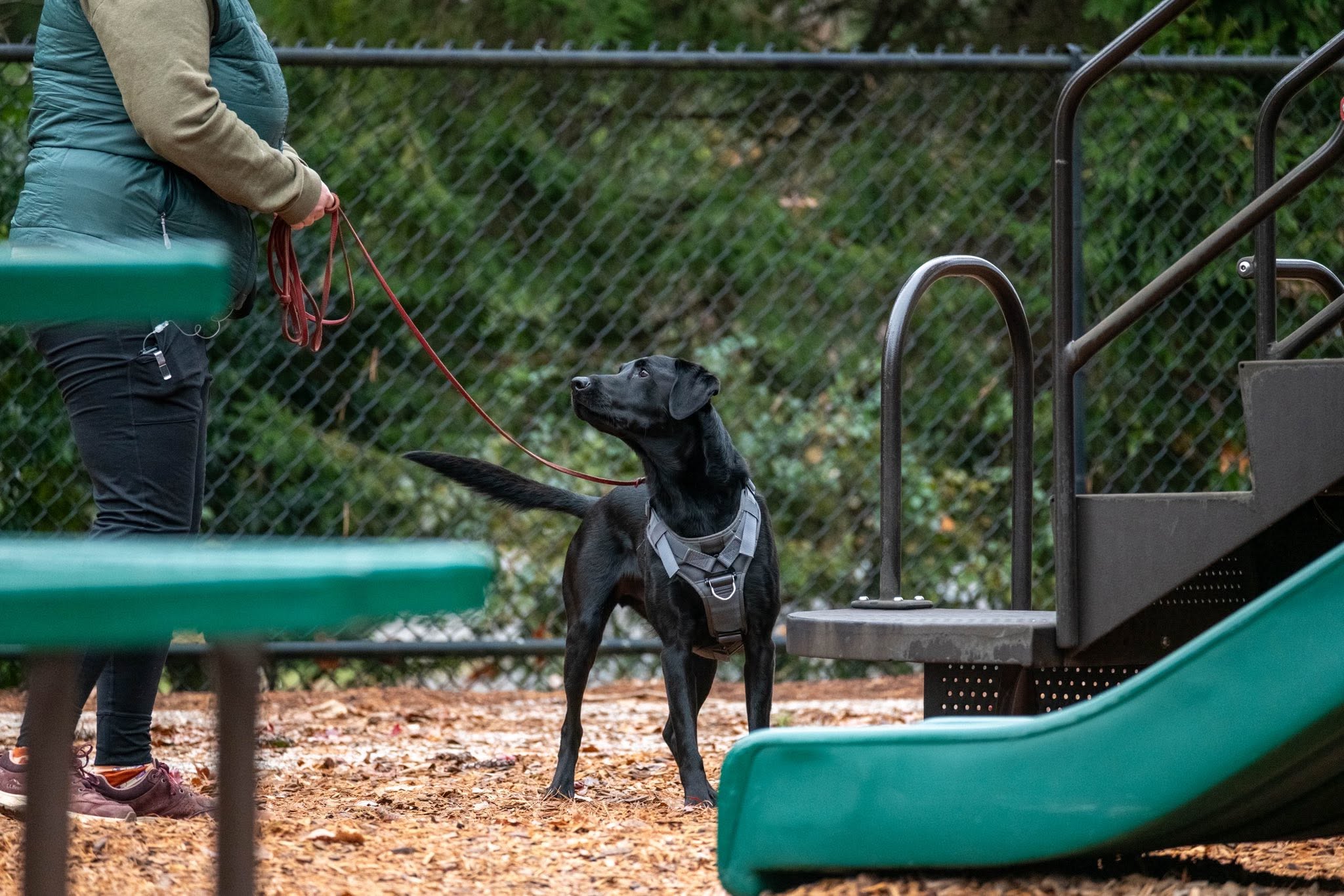
Off-leash training is not a quick trick, it is a safety skill. We build reliable recall, strong engagement, and real-world follow-through so your dog can earn more freedom responsibly. Training starts on leash and long line, then progresses step by step as your dog proves they are ready.
SAFELY EARNED.CAPE COD, MA
 TRAINING FOR EVERYDAY LIFE
A CLEAR PLAN FOR YOUR DOG
What off-leash training
includes.
Off-leash dog training is really three skills: recall, impulse control, and staying connected. We teach your dog how to turn away from distractions, return quickly, and remain responsive even when other dogs, wildlife, or people are nearby. You will also learn how to set your dog up for success with smart choices about distance, environment, and timing.
- Safety-first training plan
- Clear criteria for progressing
- Emergency recall training
- Confidence for owners on handling and timing
Freedom starts with foundations.
And thoughtful choices.
This work can suit owners who want a stronger recall, more voluntary check-ins, and clearer decisions about outdoor freedom. You can benefit from those skills even if your dog continues to walk on a leash.
Not every dog or location is suited to off-leash access. Wildlife, traffic, other visitors, local rules, and your dog’s history all matter. Training does not replace a leash requirement or guarantee a response in every situation.
What you can work on
Choose the priorities that fit your dog and your routine. The plan can change as you learn what helps.
- A clear recall cue
- Give returning to you a consistent meaning and a worthwhile reward. Start with short, easy returns before adding distance or distractions.
- Voluntary check-ins
- Notice and reward your dog for reconnecting without being called. Staying aware of each other is a useful habit on an ordinary leashed walk, too.
- Long-line foundations
- Discuss suitable equipment and practice handling it safely with guidance. A long line can provide a managed step between a short leash and greater distance.
- Returning to the leash
- Include comfortable approaches, clipping on, and calm departures in practice. Coming back should not always predict the abrupt end of every enjoyable activity.
- Distraction planning
- Work at a level where your dog can respond. Change one challenge at a time instead of testing recall around wildlife or other dogs before the foundations are ready.
- Choosing appropriate access
- Learn to assess the setting and when to keep the leash on. Secure spaces and carefully selected practice areas may remain the best option for your dog.
A clear starting point.
Practical next steps.
Review experience and goals
Share how recall currently works, where you hope to walk, and any chasing, escape, or reaction history. Discuss what is realistic before choosing the first exercises.
Practice with a safety plan
Begin in a suitable controlled setting with appropriate equipment. You will work on timing, rewards, and handling so you can repeat the exercises between lessons.
Earn the next step gradually
Record what your dog can do under specific conditions. A response in a quiet yard is useful progress, but it is not evidence that the same response will happen on an open trail.
A LITTLE CLARITY BEFORE YOU BEGIN
Questions about
off-leash dog training.
Here are a few quick answers. If your dog’s needs are more specific, reach out and Emily will help you choose a useful next step.
Can any dog be off leash trained?
Most dogs can improve recall, but off-leash freedom depends on the dog, the environment, and safety factors. We will be honest about what is realistic.
How long does off-leash training take?
It varies. Many dogs improve quickly, but reliability with distractions takes consistent practice over multiple weeks.
What equipment do I need?
A comfortable harness or flat collar, a standard leash, and a long line for training. We will recommend the best long-line length for your goals.
Do you use e-collars?
Foundations come first. We build recall, check-ins, and focus on a long line with positive reinforcement. Once those skills are solid, an e-collar can be layered in as a way to communicate with your dog at a distance, introduced gradually and with proper conditioning so your dog understands it. It is never a shortcut past the groundwork, and we will talk through whether it is the right fit for your dog.
THE LITTLE WINS MATTER
What progress
can look like.
Recall goals begin with safe, supported practice. A leash or long line stays part of the plan as you work toward stronger responses in suitable settings.

Close by
Turning toward you promptly when you call in a quiet, secure space.
With a distraction
Returning from an interesting scent during carefully managed long-line practice.
Before more freedom
Knowing which settings your dog can handle and when keeping the leash on is the right choice.
Your dog’s starting point and pace will shape the plan.
FROM THE BLOG
A little reading.
A head start.
Read about recall foundations and the steps between a familiar cue and a more distracting setting.
Tell Emily about your dogWHERE WE TRAIN
Cape Cod
and nearby towns.
Each town page has local places to practice and notes on training there. Lesson locations and travel arrangements are confirmed with Emily before booking.
See all service areasSTARTS RIGHT HERE.
LET’S MAKE ROOM FOR BETTER DAYS
Clear training. Fair pricing.
Support you can actually use.
Tell us a little about your dog, your goals, and what feels hard right now. We will help you choose the right place to begin.
Let’s find your starting pointEXPLORE ALL TRAINING PROGRAMS