
Reactive Dog Training
on Cape Cod
If walks feel stressful because your dog barks, lunges, freezes, or cannot disengage, you are not alone. Our reactive dog training focuses on building coping skills, better focus, and calm handling routines so you can move through triggers with more confidence and less chaos.
MORE TRUST.CAPE COD, MA
 TRAINING FOR EVERYDAY LIFE
A CLEAR PLAN FOR YOUR DOG
What reactivity training
looks like.
Reactive behavior is often driven by big feelings: fear, frustration, overstimulation, or uncertainty. We do not force dogs through triggers. Instead, we build new associations, teach skills that replace the reaction, and give you handling routines that protect your dog’s comfort zone while you train. You will leave with clear homework and realistic goals, so progress keeps moving between sessions.
- Foundation skills first, then carefully increased difficulty
- Simple reward plans that improve motivation
- Management strategies to prevent blowups
- Coaching that makes walks feel more controlled
More room to feel safe.
A clearer plan for you.
Reactive behavior can look like barking, lunging, freezing, or struggling to move on after noticing another dog or person. The useful starting point is understanding the situations your dog finds difficult and how to make them more manageable.
Share any bite history or close calls before arranging a session. Some dogs need veterinary input or specialist behavior support alongside training. Progress is individual, and a quieter reaction is not the only measure of how comfortable a dog feels.
What you can work on
Choose the priorities that fit your dog and your routine. The plan can change as you learn what helps.
- Recognizing early signs
- Learn to notice changes such as staring, tension, or difficulty turning away. These observations can help you act before a situation becomes overwhelming.
- Creating useful distance
- Identify how much room your dog needs in a particular setting. Use that information to choose practice areas and avoid close encounters that are too difficult.
- Leaving a situation
- Practice a simple turn or exit in an easy setting. Having a familiar way to move away can make unexpected encounters easier to handle.
- Reconnecting with you
- Build small, achievable moments of attention without requiring your dog to ignore everything around them. Begin where they can notice the environment and still engage.
- Planning everyday routes
- Look for quieter times, wider paths, and places to step away. Management gives you practical options on days when a training exercise is not realistic.
- Tracking meaningful changes
- Notice recovery time, comfortable distance, and your ability to leave as well as barking. These details make a more useful record than labeling an entire walk good or bad.
A clear starting point.
Practical next steps.
Describe the difficult moments
Tell Emily what your dog reacts to, where it happens, and what occurs before and afterward. Include health changes, previous training, and safety concerns so the starting plan is informed.
Begin with manageable practice
Agree on a suitable location and arrival arrangement. Work on your handling and foundation skills without deliberately putting your dog into an encounter they cannot manage.
Review and adjust
Keep brief notes between sessions and share where the plan is difficult to use. Goals may change with the environment and your dog’s comfort; there is no fixed promise of becoming comfortable in every situation.
A LITTLE CLARITY BEFORE YOU BEGIN
Questions about
reactive dog training.
Here are a few quick answers. If your dog’s needs are more specific, reach out and Emily will help you choose a useful next step.
Can you guarantee my dog will stop reacting?
Reactivity is a process, but most dogs improve when training is consistent and the plan matches their needs. We aim for calmer responses, faster recovery, and better control on walks.
Do you offer in-home reactive training on Cape Cod?
Yes. In-home sessions are available in many towns based on schedule and travel range.
How long does reactive training take?
It depends on triggers, intensity, and how often you can practice. Many owners notice early improvement in handling and recovery, then build reliability over time.
What equipment do I need?
A standard leash, a comfortable harness or flat collar, and high-value treats. We often recommend a long line for controlled practice and distance work.
THE LITTLE WINS MATTER
What progress
can look like.
Progress can be quiet. Your goals might begin with an easier route, a little more room, and knowing how to support your dog when something feels difficult.
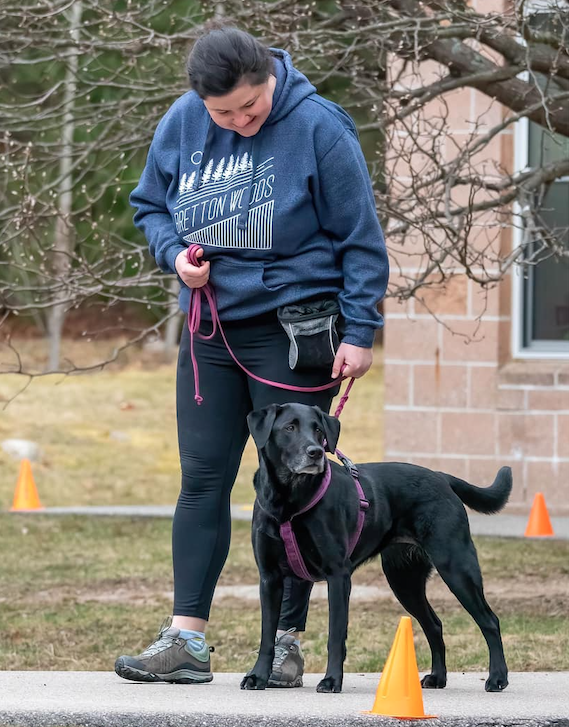
Before a walk
Choosing a route with space to turn away, instead of feeling committed to a crowded path.
At a distance
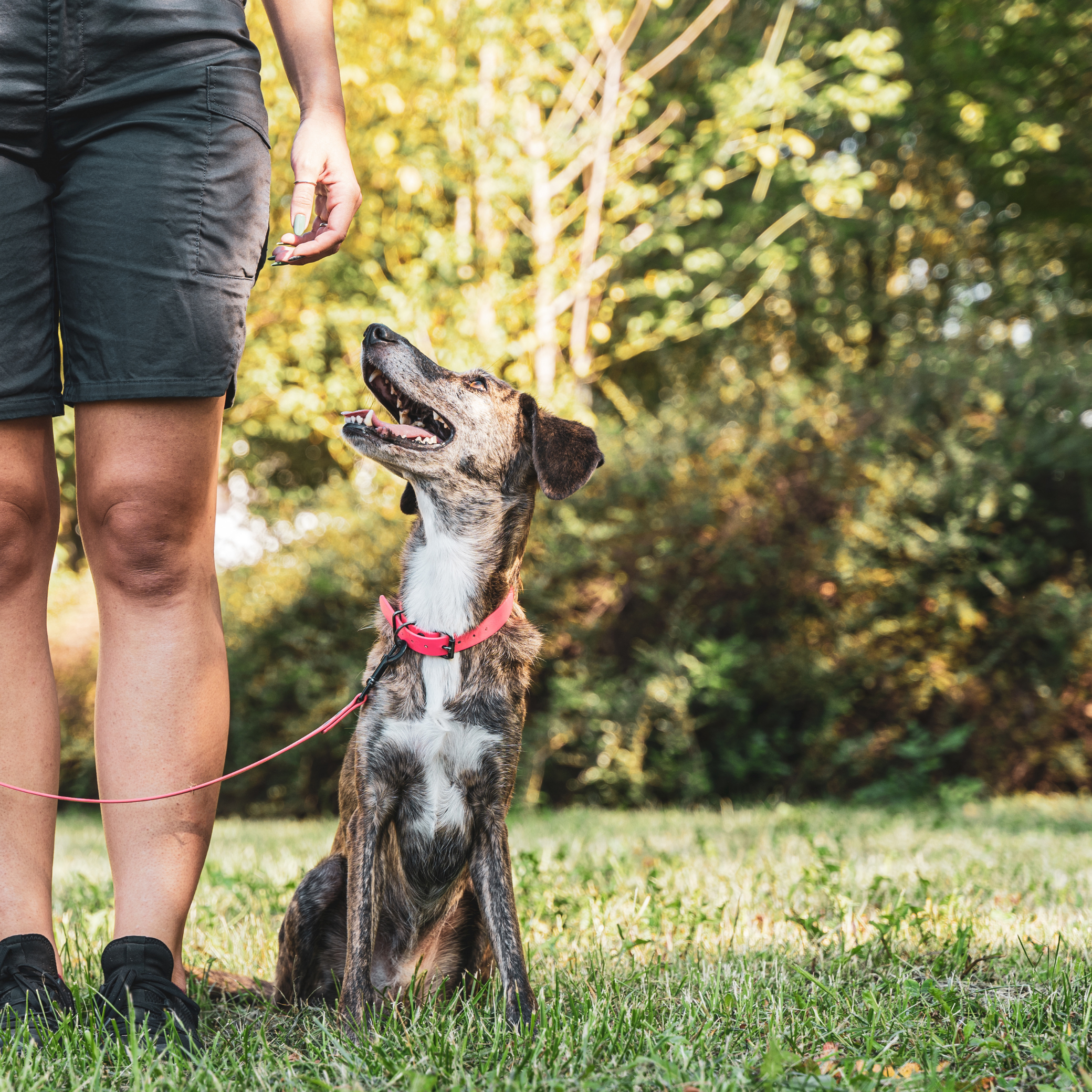
Noticing a distraction from a comfortable spot and turning back toward you.
When plans change
Using a practiced exit together when an unexpected encounter makes the outing too much.
Your dog’s starting point and pace will shape the plan.
FROM THE BLOG
A little reading.
A head start.
Practical reading about finding room on walks and preparing for individual support.
Tell Emily about your dogWHERE WE TRAIN
Cape Cod
and nearby towns.
Each town page has local places to practice and notes on training there. Lesson locations and travel arrangements are confirmed with Emily before booking.
See all service areasSTARTS RIGHT HERE.
LET’S MAKE ROOM FOR BETTER DAYS
Clear training. Fair pricing.
Support you can actually use.
Tell us a little about your dog, your goals, and what feels hard right now. We will help you choose the right place to begin.
Let’s find your starting pointEXPLORE ALL TRAINING PROGRAMS