
FROM THE BLOG
Training advice
for life together.
Practical ideas for puppies, everyday manners, and real-world adventures around Cape Cod.
 CANINE AFLOAT · CAPE COD
FROM THE BLOG
A little reading.
A head start.
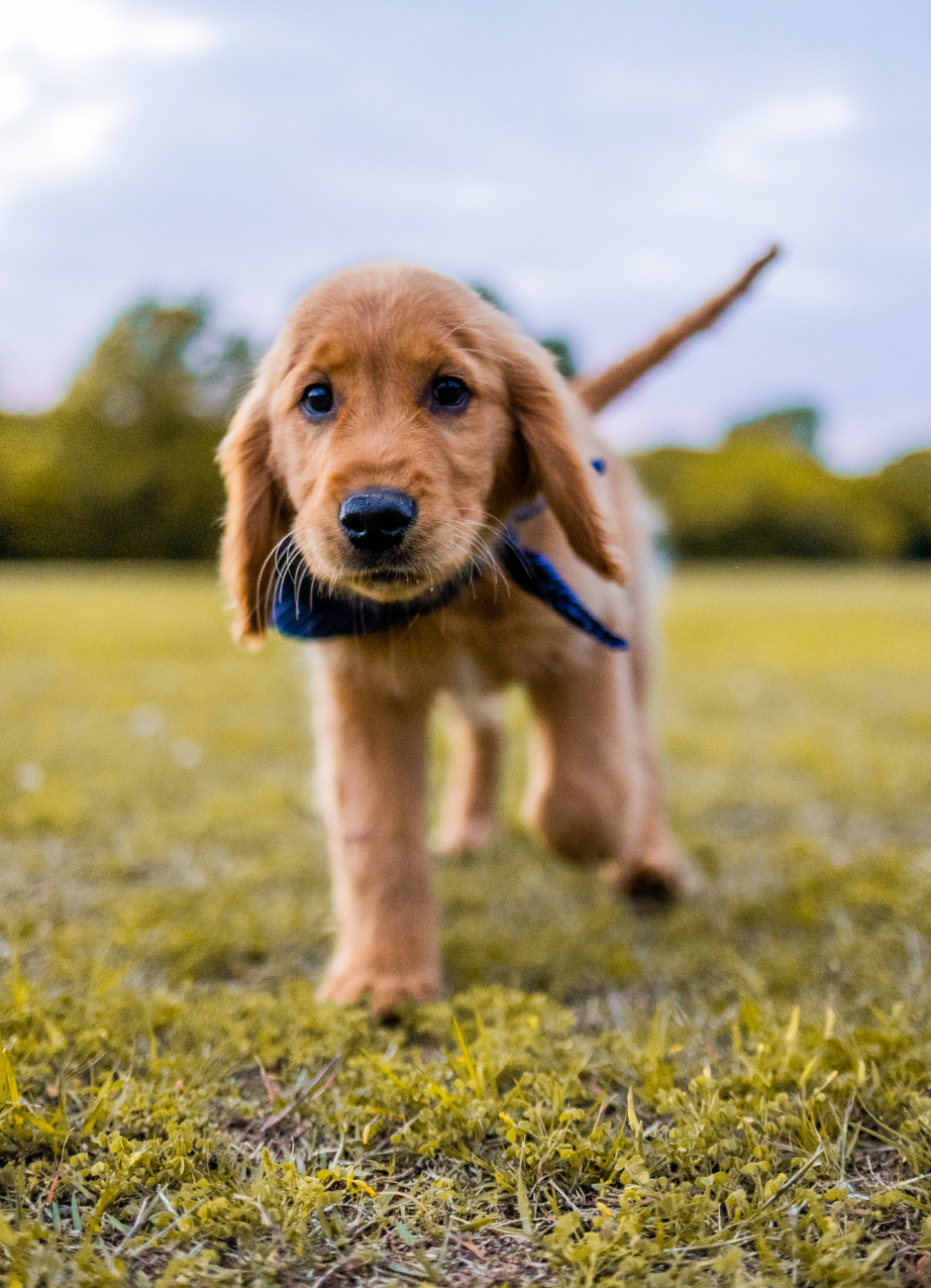
Socialization on Cape Cod: Safe places to take your puppy
A puppy does not need to meet every dog or visit every busy place on Cape Cod. Choose small, comfortable experiences and places where you can pause or leave. A quiet observation can be a useful outing in its own right.
Read the article
The art of doing nothing: helping your puppy settle at home
You finally sit down, and your puppy brings the party with them. Learning to rest nearby starts with small, comfortable moments, not an expectation that a young dog will quietly fill an entire evening.
Read the article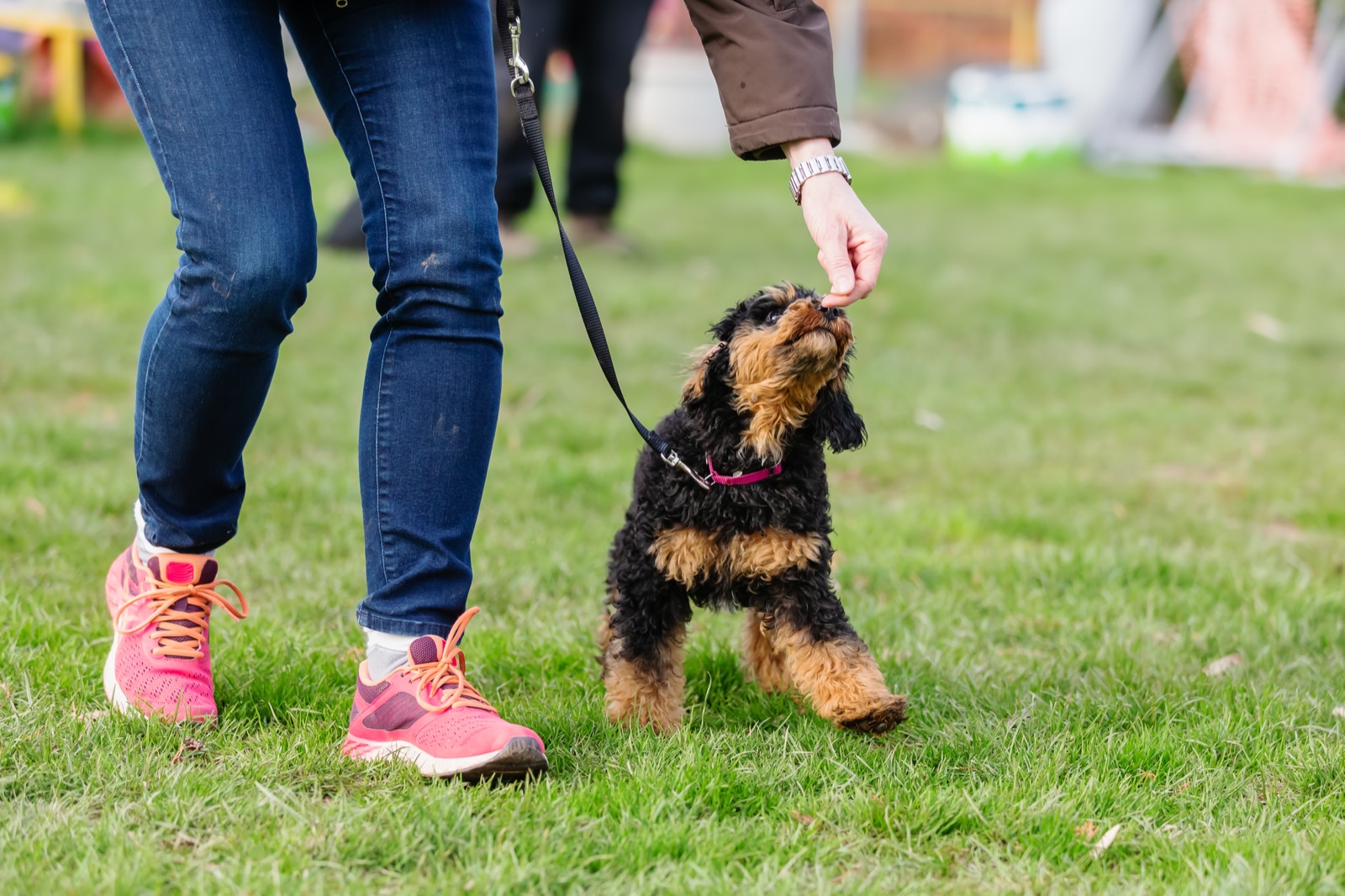
Before the big walk: teaching your puppy to check in
A walk can be a lot for a puppy: leaves move, doors open, and every patch of grass has a story. A check-in is a small moment when your puppy chooses to reconnect with you. It does not need to become a whole walk of staring at your face.
Read the article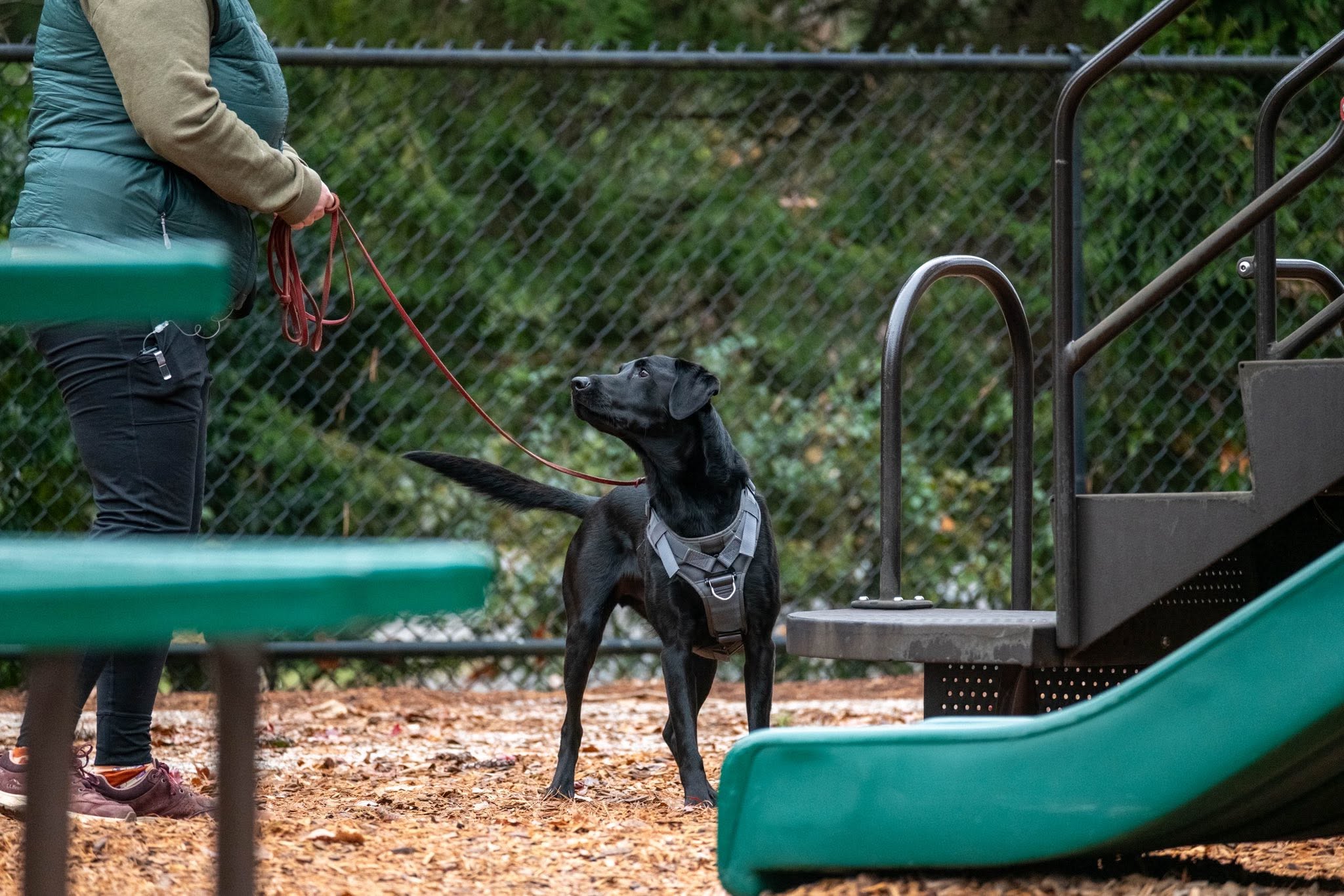
Why your dog listens at home but not outside
Your dog responds in the kitchen, then seems to forget everything beside a busy path. Before repeating the cue louder, look at the task you are asking for. The word is familiar, but the setting may be completely new.
Read the article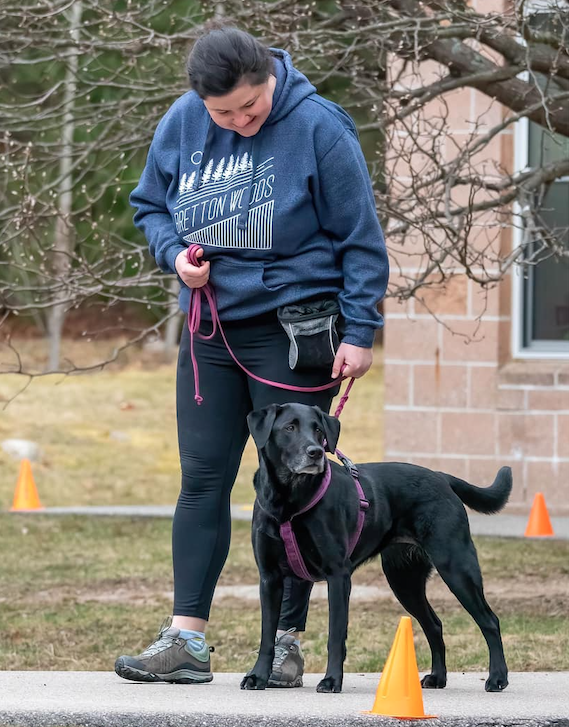
Walking a reactive dog: plan for space before you set out
When another dog appears around a corner, a narrow sidewalk can suddenly feel very small. Planning for space gives you more choices before that moment arrives. The goal is a manageable outing, not a perfect encounter with every dog you pass.
Read the article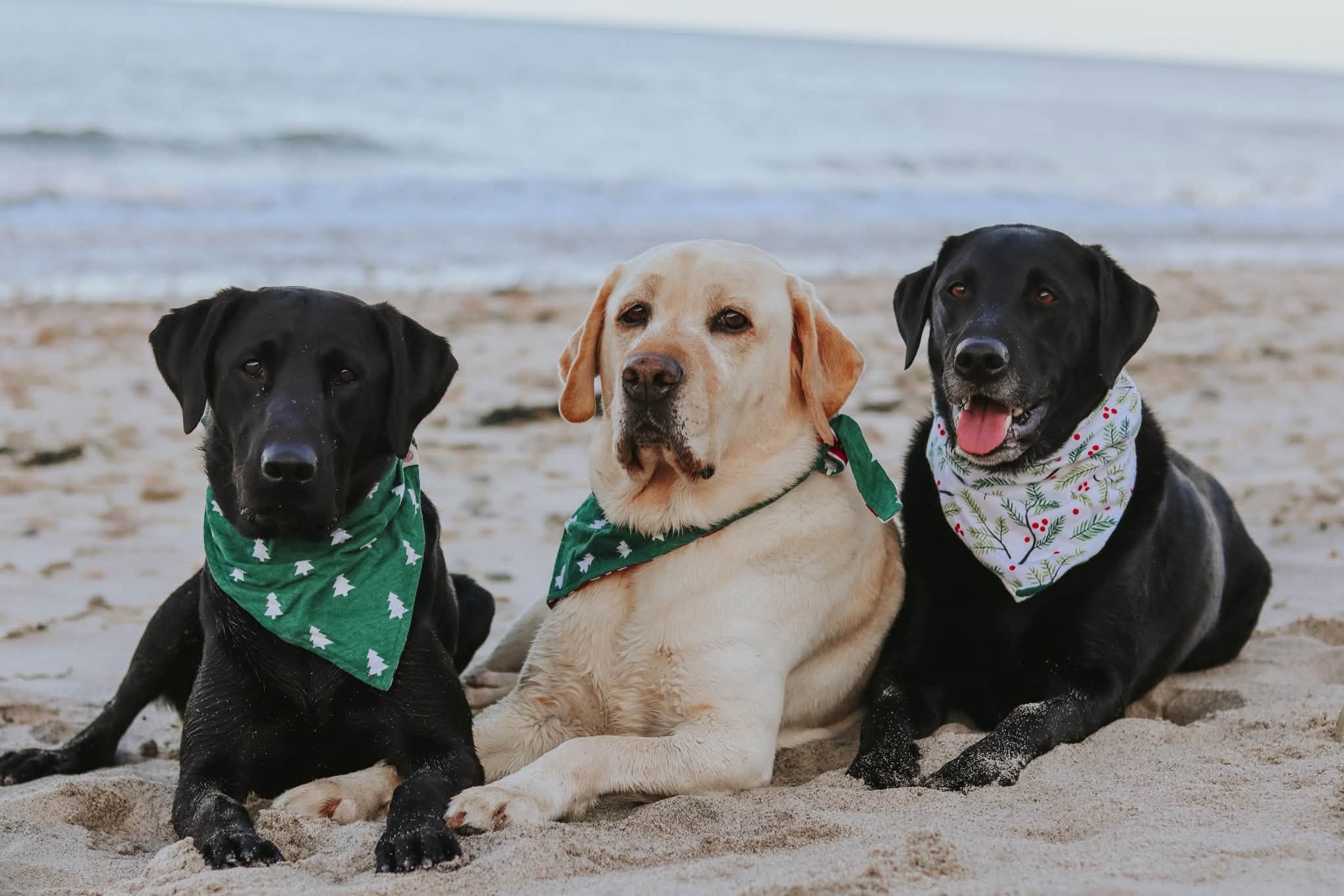
Recall practice before you unclip the leash
A fast return across the living room is a lovely start. Coming away from a scent outdoors is another task. Recall practice works best when you keep those differences visible and keep a safety backup while you learn.
Read the article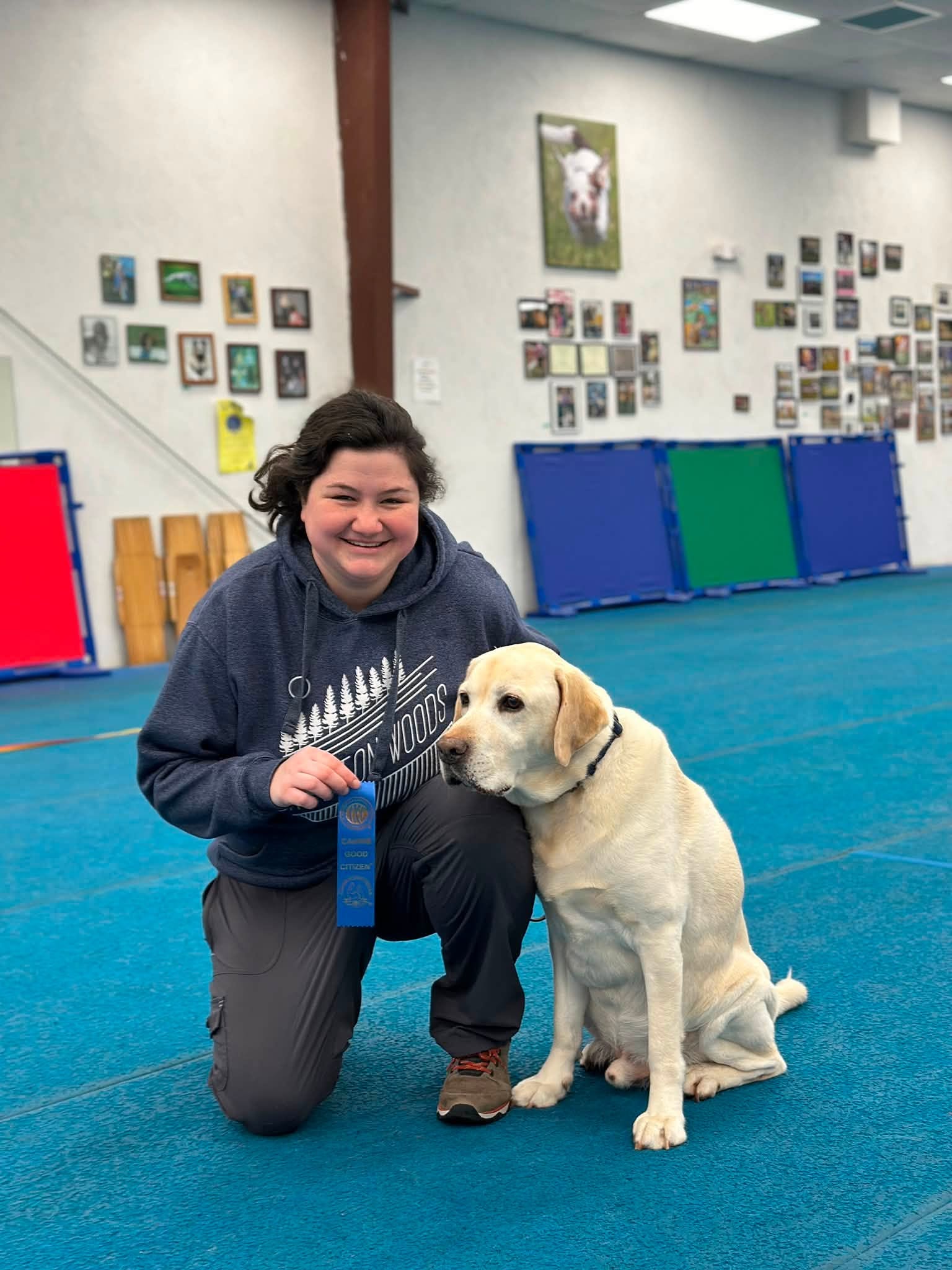
Your first in-home dog training lesson: what to prepare
You do not need a spotless home or a dog who already knows the answers. Preparing for a private lesson is mostly about giving your trainer a clear picture of daily life and making the visit easy to begin.
Read the article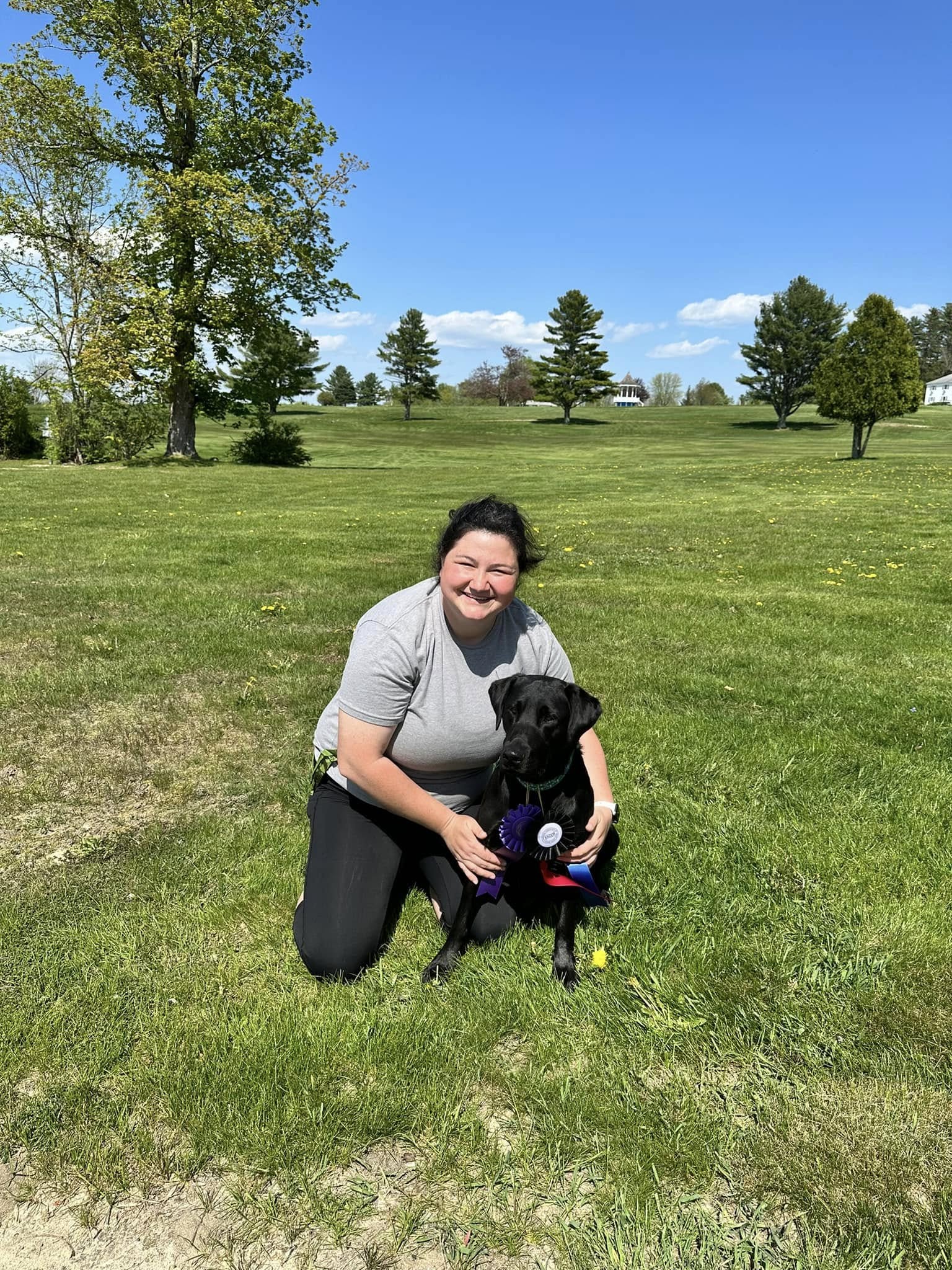
Dog day school or private lessons: which fits your week?
You want support, but should your dog practice with a trainer during the day, or should you be in the lesson too? Start with the routine you want to change, then look at your dog’s needs and the time you can give to practice.
Read the article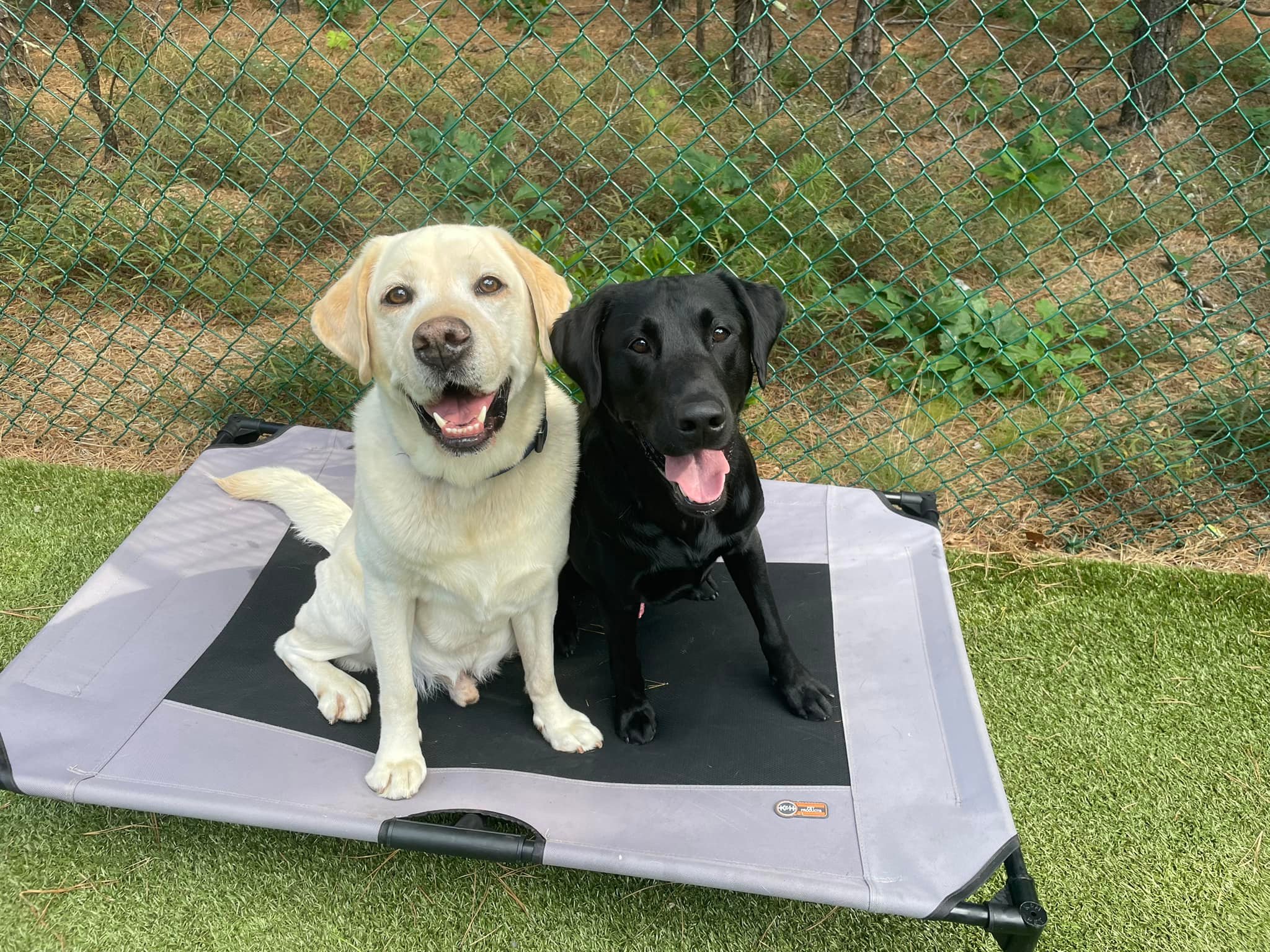
When visitors are too much: make an arrival plan for your dog
The doorbell rings, everyone moves at once, and your dog is suddenly faced with a stranger in the hallway. Before working on a greeting, make a plan for the arrival itself. A quieter setup gives both you and your visitor fewer decisions to make in the moment.
Read the article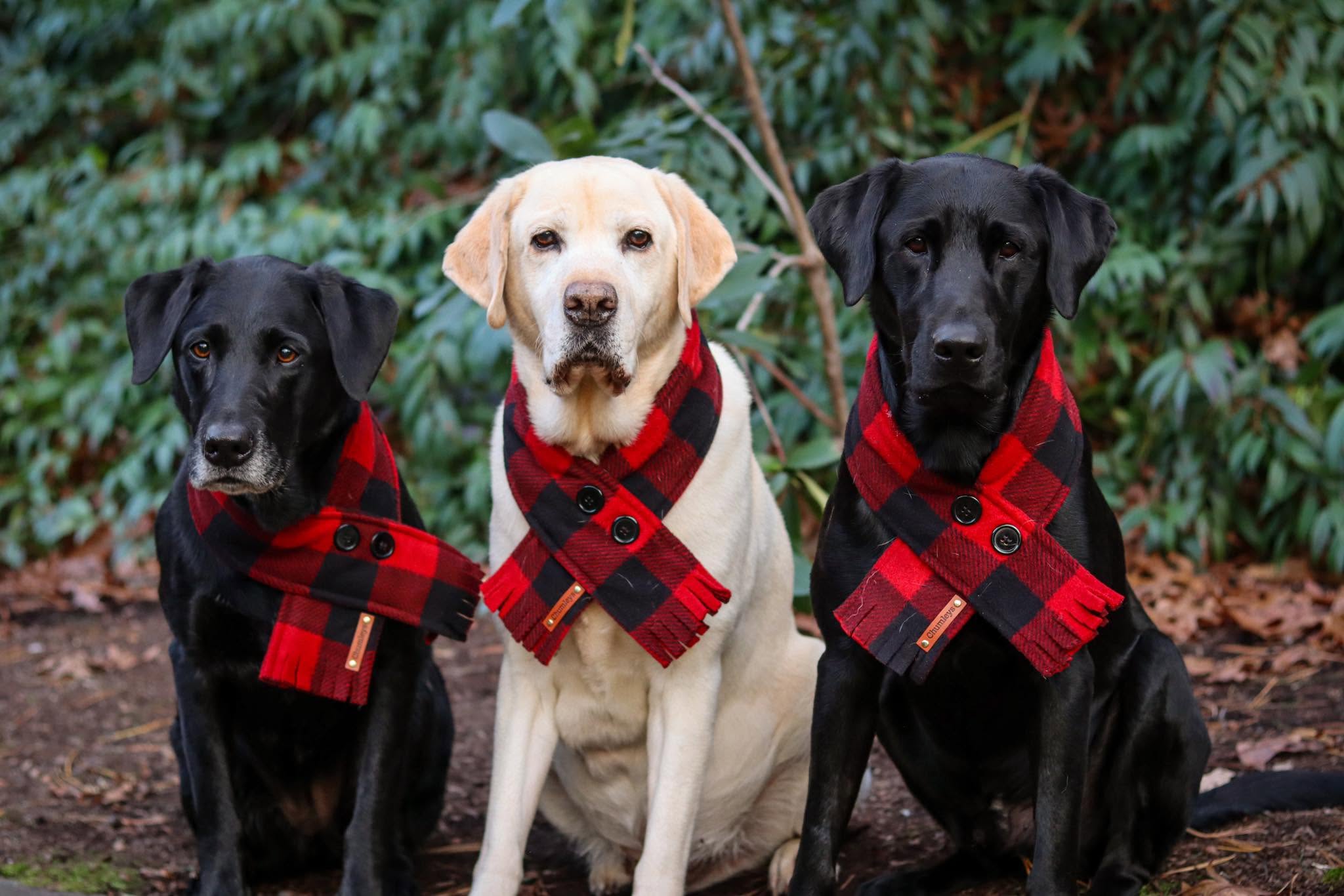
One dog, several people: a training plan your household can share
One person says “down” to mean lie down. Another uses it when the dog jumps up. Everyone means well, but the dog is getting two lessons at once. A shared household plan can make everyday training clearer without turning your home into a classroom.
Read the article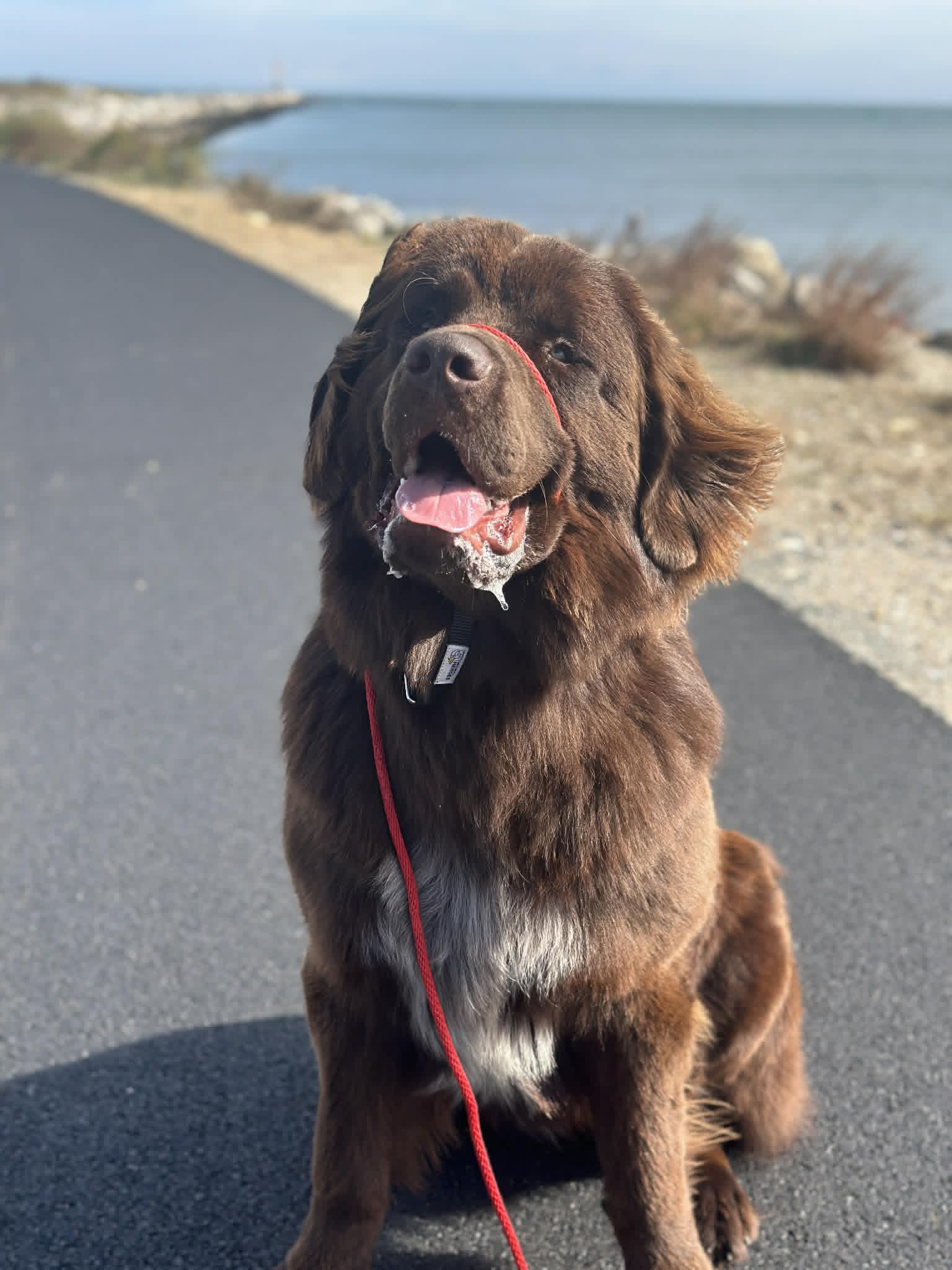
More room on a walk: getting started with a long line
A longer line changes more than how far your dog can wander. It also changes what you need to watch and handle. Before taking one on your usual route, plan an easy first outing where you can learn the equipment without juggling a busy path.
Read the article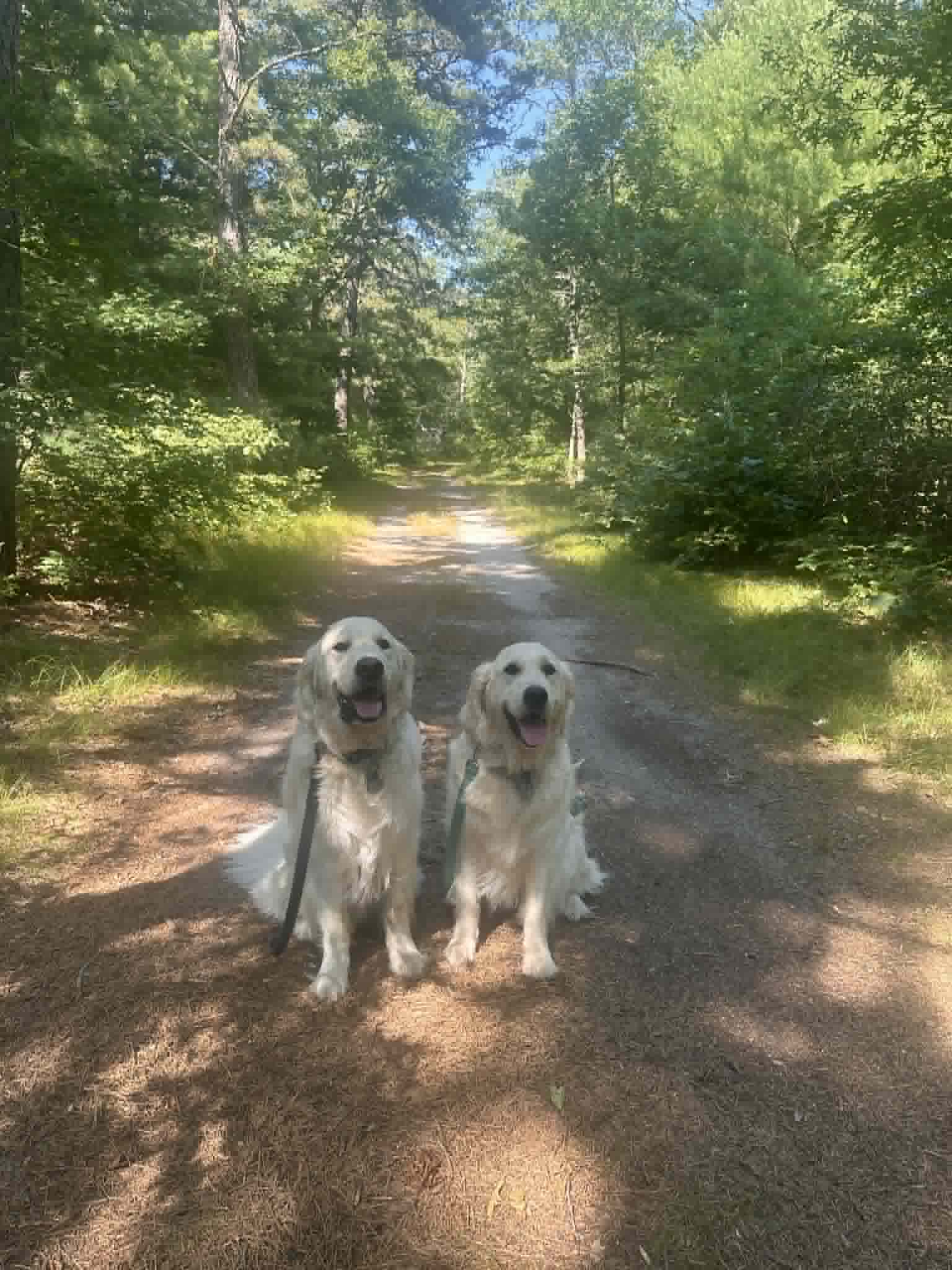
After day school: questions that make a training update useful
“Your dog did well today” is lovely to hear. To use that progress at home, you need a little more detail. A useful day-school handoff explains what happened, what helped, and what you can realistically try together next.
Read the article